Salvage Surgery After Failed Radiation or Chemotherapy – Expert Care in Noida
Has your cancer returned after radiation, chemotherapy, or a previous surgery? You are not out of options. Dr. Vimmi Gautam, a specialist Head & Neck Cancer Surgeon at Medanta Hospital, Noida, offers salvage surgery — a complex but potentially life-saving procedure for patients whose cancer has persisted or recurred after initial treatment.
What is Salvage Surgery?
Salvage surgery is a specialised oncological procedure performed when initial cancer treatment — whether radiation therapy, chemotherapy, immunotherapy, or a prior operation — has not achieved complete tumour control, or when cancer recurs after a period of remission. In the context of head and neck cancer, salvage surgery after chemotherapy or surgery after failed radiation cancer involves removing residual or recurrent tumour tissue from the larynx, oral cavity, pharynx, neck lymph nodes, thyroid, or surrounding structures.
These operations are technically among the most demanding in oncological surgery. Prior radiation or chemotherapy alters tissue planes, impairs healing, reduces blood supply, and increases the risk of complications. As a specialist in recurrent head neck cancer surgery and cancer recurrence treatment in Noida, Dr. Vimmi Gautam's training and experience at PGIMER Chandigarh and Medanta Hospital equips her to navigate these challenges and deliver optimal outcomes for carefully selected patients seeking salvage surgery for cancer in Noida.
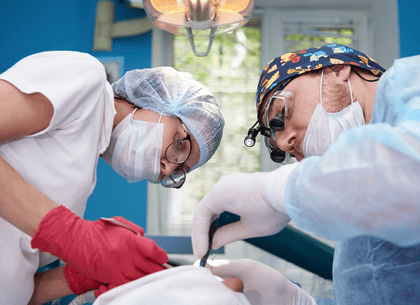
When is Salvage Surgery Required?
Salvage surgery is considered when cancer persists or recurs despite previous treatment. It offers selected patients another opportunity for disease control and potential cure.
Persistent / Residual Cancer
Tumour remains detectable on biopsy or imaging after completing radiation or chemoradiation.
Local Recurrence
Cancer returns at the original tumour site after a disease-free interval.
Regional Recurrence
Cancer reappears in neck lymph nodes following previous treatment.
Radiation Treatment Failure
The primary tumour does not respond adequately to radiotherapy alone.
Chemoradiation Failure
Combined chemotherapy and radiation fail to achieve complete tumour response.
Previous Surgery Failure
Positive surgical margins or tumour regrowth after an earlier operation.
Locally Advanced Disease
Tumour shows limited but surgically resectable local spread.
Salvage surgery for recurrent head and neck cancer is often the most effective treatment option when previous therapies have failed.
Warning Signs of Cancer Recurrence or Treatment Failure
Early recognition of these symptoms can make salvage surgery more feasible and significantly improve treatment outcomes. Seek prompt medical evaluation if you experience any of the following signs.
Lump or Swelling
Return of a lump or swelling in the neck or face may indicate lymph node or local tumour recurrence.
Persistent Pain
Ongoing or worsening pain may suggest tumour invasion or nerve involvement.
Difficulty Swallowing
Progressive dysphagia may be a sign of pharyngeal or oesophageal cancer recurrence.
Voice Changes or Hoarseness
New voice changes may indicate laryngeal recurrence or recurrent laryngeal nerve involvement.
Non-Healing Wound or Ulcer
Persistent ulcers or wounds may signal residual tumour or osteoradionecrosis.
Difficulty Breathing
Stridor or breathing difficulty may indicate airway compromise due to tumour regrowth.
Weight Loss & Fatigue
Unexplained weight loss, weakness, or fatigue may indicate systemic disease progression.
Bleeding from Mouth or Throat
Bleeding from the mouth, throat, or neck may occur when a tumour erodes nearby blood vessels.
Pre-Surgical Diagnosis and Workup for Salvage Surgery
A meticulous pre-operative evaluation is essential before salvage surgery, as previous treatments can alter anatomy, affect healing, and increase surgical complexity.
Clinical Examination & Endoscopy
Comprehensive assessment of the head, neck, oral cavity, larynx, and pharynx using rigid and flexible endoscopy to evaluate the extent of recurrence.
Biopsy & Histopathology
Tissue sampling confirms malignant recurrence and helps distinguish cancer from radiation fibrosis or treatment-related necrosis.
CT Scan & MRI
Advanced imaging evaluates tumour extent, lymph node involvement, bony structures, and differentiates recurrent disease from post-treatment changes.
PET-CT Scan
Detects metabolically active tumour tissue, identifies distant metastases, and confirms whether the disease remains surgically resectable.
Cardiac & Pulmonary Fitness Assessment
Lung function tests, cardiac evaluation, and anaesthetic assessment help determine suitability for complex salvage procedures.
Review of Previous Treatments
Prior surgery records, radiation plans, chemotherapy details, and imaging studies are reviewed to guide safe surgical planning.
Careful diagnostic workup allows salvage surgery for recurrent head and neck cancer to be planned safely while maximizing the chances of successful tumour removal and recovery.
Recovery After Salvage Surgery
Recovery following salvage surgery is generally more complex than primary surgery because of the effects of previous radiation, chemotherapy, or surgical treatment. A structured rehabilitation plan is essential for optimal recovery.
Hospital Stay
Typically 7–14 days, although longer stays may be required if flap reconstruction or complications occur.
Wound Healing
Healing is often slower after prior radiation therapy, making careful wound care and monitoring essential.
Nutritional Support
Nasogastric or PEG tube feeding may be required for 2–6 weeks while swallowing function recovers.
Voice Rehabilitation
Laryngectomy patients may benefit from voice prosthesis placement or oesophageal voice training.
Physiotherapy
Neck and shoulder exercises, mobility training, and lymphoedema management support functional recovery.
Oncology Follow-Up
Regular ENT, oncology, and imaging reviews are typically scheduled every 3 months during the first 2 years.
Psychological Support
Counselling, survivorship programs, and support groups can help patients and families adjust after treatment.
Successful recovery after salvage surgery for recurrent head and neck cancer requires coordinated surgical, rehabilitation, nutritional, and psychological support.
Frequently Asked Questions
What is salvage surgery for cancer?
Salvage surgery is a secondary surgical procedure performed when initial cancer treatment such as radiation therapy, chemotherapy, or a previous operation has failed to eliminate the cancer, or when cancer returns after a period of remission.
Is salvage surgery more risky than the original surgery?
Yes. Salvage surgery is generally more complex because previous treatments can alter anatomy, reduce blood supply, and slow healing. However, experienced head and neck cancer surgeons can perform these procedures safely with careful planning.
Can salvage surgery cure recurrent cancer?
In selected patients with localised and surgically removable recurrence, salvage surgery may achieve long-term disease control and can potentially be curative. Outcomes depend on tumour location, extent, and overall health.
How do I know if I am a candidate for salvage surgery?
Eligibility depends on the type of cancer, location and extent of recurrence, absence of distant metastasis, previous treatments, overall fitness for surgery, and reconstruction possibilities. Detailed evaluation is required before making a decision.
What happens if I am not suitable for salvage surgery?
Alternative options may include re-irradiation, targeted therapy, immunotherapy, chemotherapy, participation in clinical trials, or supportive palliative care focused on symptom management and quality of life.
How long is the recovery after salvage surgery?
Most patients remain in hospital for 7–14 days. Complete recovery, including wound healing, nutritional rehabilitation, and functional recovery, may take 6–12 weeks or longer depending on the complexity of surgery.
Will I need further radiation or chemotherapy after salvage surgery?
Additional treatment depends on the final pathology report. Factors such as surgical margins, lymph node involvement, and residual disease determine whether further radiation, chemotherapy, or other therapies are recommended.
Does Dr. Vimmi Gautam provide second opinion consultations?
Yes. Dr. Vimmi Gautam welcomes second-opinion consultations for recurrent and complex head and neck cancer cases. A detailed review of scans, biopsy reports, and previous treatments can help identify additional treatment options.