Surgery for Thyroid Nodules and Goitre
Thyroid nodule and goitre surgery is performed to remove abnormal growths or enlarged thyroid tissue causing swelling, discomfort, or breathing and swallowing difficulties.
What is Surgery for Thyroid Nodules and Goitre?
Surgery for thyroid nodules and goitre involves the removal of abnormal growths (nodules) or an enlarged thyroid gland (goitre) to relieve symptoms, prevent complications, and rule out or treat cancer.
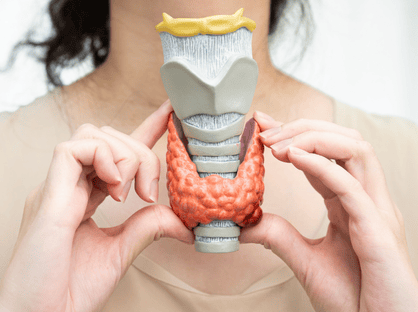
The thyroid gland, located in the front of the neck, plays a crucial role in regulating metabolism through hormone production. When nodules grow large or the thyroid becomes enlarged, it may affect breathing, swallowing, or overall health, making surgery necessary.
When is Thyroid Surgery Required?
Not all thyroid nodules require surgery, but it is recommended in specific conditions to prevent complications and improve quality of life.
Large Nodules
Causing visible swelling or discomfort in the neck
Swallowing Issues
Difficulty in swallowing or breathing due to pressure
Suspected Cancer
Suspicion or confirmation of thyroid cancer
Rapid Growth
Nodules increasing quickly in size
Cosmetic Concerns
Enlarged thyroid (goitre) affecting appearance
Hyperthyroidism
Overactive thyroid not controlled by medication
Early surgical intervention helps prevent complications and improves quality of life.
- A visible lump or swelling in the neck
- Tightness or pressure in the throat
- Difficulty swallowing (dysphagia)
- Breathing problems (in severe cases)
- Hoarseness or voice changes
- Unexplained weight changes
Consult a Specialist
Early diagnosis and treatment can prevent complications and improve overall health.
Diagnosis Before Thyroid Surgery
Doctors perform several tests to evaluate thyroid conditions and determine the most suitable treatment plan.
Physical Examination
Doctor examines neck for swelling or thyroid nodules.
Ultrasound
Evaluates thyroid gland structure and detects abnormalities.
FNA Biopsy
Confirms presence of cancer cells through tissue sampling.
Blood Tests
Measures thyroid hormones (TSH, T3, T4) and overall health.
CT Scan
Used for large goitres or deep extension cases.
These tests help determine whether surgery is necessary and which type is most suitable.
Types of Thyroid Surgery
Different surgical techniques are used depending on the condition and severity of thyroid disease.
Lobectomy
Removal of one lobe of the thyroid gland, suitable for localized nodules.
Total Thyroidectomy
Complete removal of the thyroid gland for cancer or large goitre cases.
Subtotal Thyroidectomy
Most of the thyroid is removed, leaving a small portion behind.
Minimally Invasive Surgery
Advanced techniques with smaller incisions for faster recovery and minimal scarring.
Recovery After Thyroid Surgery
Recovery after thyroid surgery is generally quick with proper care and medical guidance.
Hospital Stay
Usually 1–2 days depending on the procedure.
Pain & Discomfort
Mild pain or discomfort in the neck is common after surgery.
Voice Changes
Temporary voice changes may occur in rare cases.
Return to Activities
Most patients resume daily activities within 1–2 weeks.
Medication
Thyroid hormone medication may be required after surgery.
Frequently Asked Questions
Do all thyroid nodules require surgery?
No, only large, symptomatic, or suspicious nodules require surgical removal.
Is goitre surgery safe?
Yes, it is a safe and commonly performed procedure when done by experienced surgeons.
Will I need medication after surgery?
If the entire thyroid is removed, lifelong hormone replacement may be required.
How long does recovery take?
Most patients recover within 1–2 weeks, depending on the procedure.
Will there be a visible scar?
A small scar may remain, but it usually fades over time.