Larynx (Voice Box) & Hypopharynx Cancer Surgery in Noida
Expert treatment for larynx (voice box) cancer and hypopharynx cancer by Dr. Vimmi Gautam at Medanta Hospital, Noida. Advanced voice-preserving procedures, total laryngectomy, neck dissection, reconstruction, and rehabilitation are offered with a focus on cancer control, functional recovery, and quality of life.
Understanding Larynx and Hypopharynx Cancer
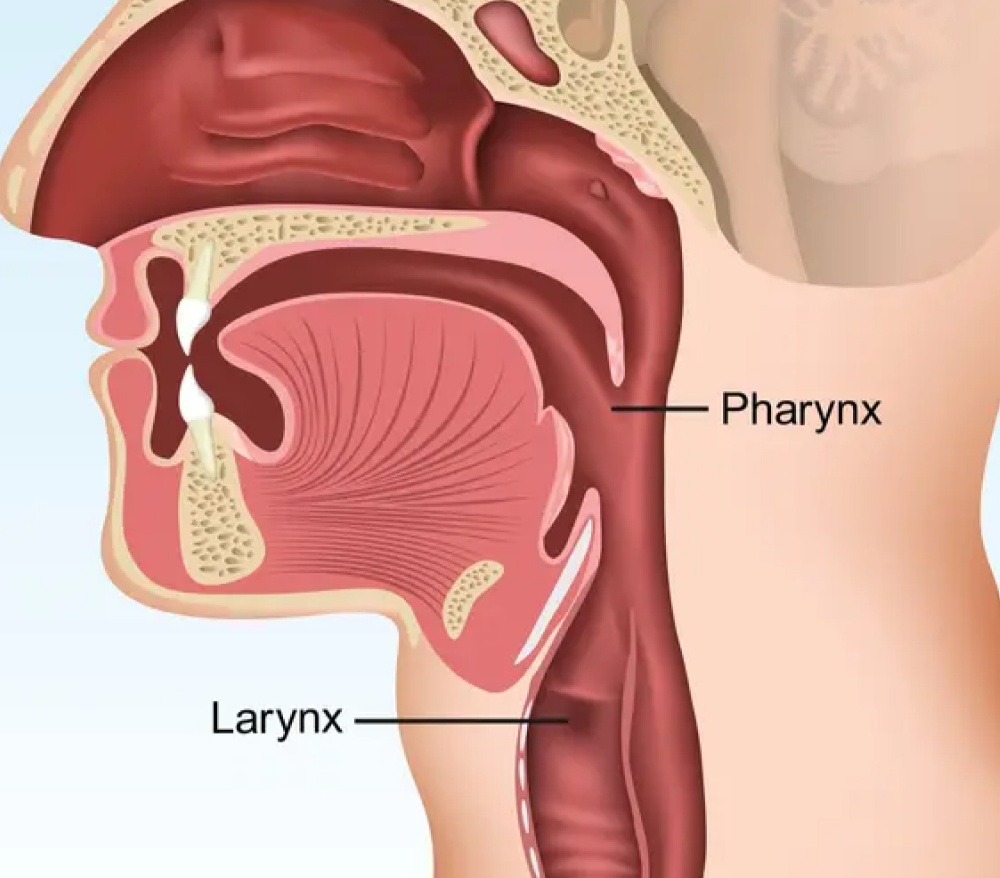
Laryngeal and hypopharyngeal cancers are types of head and neck cancers that most commonly arise from the lining of the throat and voice box. These cancers can affect a person's ability to speak, swallow, and breathe comfortably.
The disease often develops gradually, making early symptoms easy to ignore. Early diagnosis significantly improves treatment outcomes and increases the chances of preserving natural voice and swallowing function.
Dr. Vimmi Gautam, Associate Consultant Head & Neck Cancer Surgeon at Medanta Super Speciality Hospital, Sector 50, Noida, specializes in the diagnosis and surgical management of cancers affecting the larynx (voice box) and hypopharynx. With advanced M.Ch training in Head & Neck Oncology from AIIMS New Delhi and MS (ENT) from PGIMER Chandigarh, she offers comprehensive treatment ranging from minimally invasive voice-preserving procedures to complex cancer resections and reconstruction.
Risk Factors for Laryngeal and Hypopharyngeal Cancer
Several factors can increase the likelihood of developing laryngeal and hypopharyngeal cancers. Understanding these risks can help with prevention and early detection.
Tobacco Use
Smoking cigarettes, bidis, cigars, and chewing tobacco remain the leading causes of these cancers.
Alcohol Consumption
Heavy alcohol intake significantly increases cancer risk, especially when combined with tobacco use.
HPV Infection
Certain strains of Human Papillomavirus (HPV) may contribute to the development of throat cancers.
Acid Reflux Disease
Chronic acid reflux can irritate throat tissues over time and may increase cancer risk.
Occupational Exposure
Exposure to chemicals, dust, fumes, and industrial pollutants may increase the likelihood of cancer development.
Common Symptoms of Larynx & Hypopharynx Cancer
Symptoms may vary depending on the location and stage of the cancer. Early recognition of these warning signs can help ensure timely diagnosis and treatment.
- Persistent hoarseness lasting more than three weeks
- Voice changes without improvement
- Difficulty swallowing (Dysphagia)
- Pain while swallowing
- Persistent sore throat
- Ear pain without ear disease
- Chronic cough
- Breathing difficulty
- Lump in the neck
- Blood in saliva
- Unexplained weight loss
- Feeling of food getting stuck in the throat
Risk Factors for Laryngeal and Hypopharyngeal Cancer
Several factors can increase the likelihood of developing laryngeal and hypopharyngeal cancers. Understanding these risk factors can help with prevention, early detection, and timely treatment.
Tobacco Use
Smoking cigarettes, bidis, cigars, and chewing tobacco remain the leading causes of these cancers.
Alcohol Consumption
Heavy alcohol intake significantly increases cancer risk, particularly when combined with smoking.
HPV Infection
Certain strains of Human Papillomavirus (HPV) may contribute to the development of these cancers.
Acid Reflux Disease
Long-standing acid reflux may irritate throat tissues and increase cancer risk over time.
Occupational Exposure
Exposure to chemicals, dust, fumes, and industrial pollutants may also increase the likelihood of cancer development.
Diagnosis and Cancer Staging
Accurate diagnosis and staging are essential before planning treatment. Dr. Vimmi Gautam performs a comprehensive evaluation to determine the extent of disease and the most appropriate treatment approach.
Detailed Clinical Examination
Comprehensive assessment of symptoms, medical history, and physical examination.
Flexible Laryngoscopy
A thin flexible scope is used to examine the larynx and throat structures in detail.
Endoscopic Evaluation
Allows direct visualization of suspicious areas within the throat and upper airway.
Biopsy
Tissue sampling is performed to confirm the diagnosis and cancer type.
CT Scan
Provides detailed images to evaluate tumor size and regional spread.
MRI Scan
Helps assess soft tissue involvement and the extent of the disease.
PET-CT Scan
Detects cancer activity and helps identify distant spread if present.
Neck Lymph Node Assessment
Evaluates whether cancer has spread to nearby lymph nodes.
Recovery and Aftercare
Recovery depends on the type of procedure performed. A structured aftercare plan helps promote healing, restore function, and monitor for any signs of recurrence.
Hospital Stay
Hospital stay may range from a few days to up to two weeks, depending on the complexity of surgery.
Pain Management
Appropriate pain management support is provided to ensure comfort during recovery.
Stoma Care Education
Patients and caregivers receive guidance on proper stoma care and maintenance when required.
Nutritional Rehabilitation
Dietary planning and nutritional support help maintain strength and promote healing.
Speech & Swallowing Therapy
Specialized therapy helps improve communication, swallowing function, and overall quality of life.
Regular Surveillance
Scheduled follow-up visits and evaluations are essential to monitor for cancer recurrence.
Frequently Asked Questions
Can voice be preserved after larynx cancer surgery?
Yes. Early-stage cancers can often be treated using voice-preserving procedures such as Transoral Laser Microsurgery (TLM) and partial laryngectomy.
Is life normal after total laryngectomy?
With modern voice rehabilitation, speech therapy, and supportive care, most patients return to active and fulfilling lives.
How long does recovery take?
Initial recovery typically takes a few weeks, while complete rehabilitation may take several months depending on the procedure performed.
Will I be able to swallow normally after surgery?
Many patients regain good swallowing function following reconstruction and rehabilitation.
Is larynx cancer curable?
When diagnosed early and treated appropriately, laryngeal cancer has excellent treatment outcomes and a high chance of successful recovery.