Salivary Gland Surgery in Noida
Expert treatment for parotid gland tumors, submandibular gland tumors, and other salivary gland disorders by Dr. Vimmi Gautam at Medanta Hospital, Noida. Advanced surgical techniques with a strong focus on facial nerve preservation, tumor removal, reconstruction, and long-term functional recovery.
Understanding Salivary Gland Tumors & Disorders
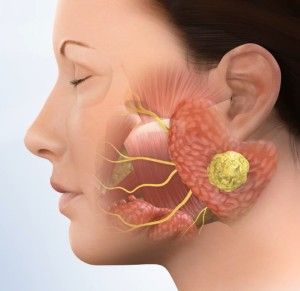
Salivary glands play an essential role in producing saliva, which helps with digestion, speech, swallowing, and maintaining oral health. Tumors can develop in the parotid gland, submandibular gland, sublingual gland, and smaller salivary glands throughout the mouth and throat.
While most salivary gland tumors are benign, some can be malignant and require timely surgical treatment. Common symptoms include swelling near the ear, jaw, or neck, facial weakness, pain, numbness, and difficulty swallowing. Early diagnosis significantly improves treatment outcomes and helps preserve important functions such as facial movement and expression.
Risk Factors for Salivary Gland Tumors
Several factors may increase the risk of developing salivary gland tumors and cancers. Understanding these risks can help with early diagnosis and timely treatment.
Radiation Exposure
Previous radiation therapy to the head and neck region may increase the risk of salivary gland tumors.
Tobacco Use
Smoking and tobacco exposure have been linked to certain salivary gland tumors and cancers.
Viral Infections
Certain viral infections may contribute to the development of salivary gland disorders and tumors.
Family History
A family history of salivary gland tumors may increase susceptibility in some individuals.
Environmental Exposure
Long-term exposure to industrial chemicals and workplace pollutants may elevate risk.
Common Symptoms of Salivary Gland Tumors & Disorders
Salivary gland tumors may develop gradually and often present as painless swellings. Recognizing these symptoms early can help ensure timely diagnosis and appropriate treatment.
- Painless swelling near the ear or cheek
- Lump in the jaw or neck region
- Swelling beneath the jawline
- Facial weakness or drooping
- Numbness in part of the face
- Pain around the ear, jaw, or cheek
- Difficulty opening the mouth fully
- Difficulty chewing or swallowing
- Persistent facial discomfort
- Recurrent salivary gland infections
- Enlarged lymph nodes in the neck
- Gradually increasing facial or neck swelling
Diagnosis and Treatment Planning
Accurate diagnosis is essential for identifying the type, size, and extent of salivary gland tumors. Dr. Vimmi Gautam performs a comprehensive evaluation to develop the most effective treatment plan while preserving facial nerve function whenever possible.
Detailed Clinical Examination
Assessment of swelling, facial nerve function, symptoms, and medical history.
Ultrasound Evaluation
Helps identify the size, location, and characteristics of salivary gland lesions.
FNAC (Fine Needle Aspiration Cytology)
A minimally invasive test used to determine whether a tumor is benign or malignant.
Biopsy (When Required)
Tissue sampling may be performed to confirm diagnosis and guide treatment decisions.
CT Scan
Evaluates tumor size, surrounding structures, and possible lymph node involvement.
MRI Scan
Provides detailed images of soft tissues and helps assess facial nerve involvement.
PET-CT Scan
Recommended for selected malignant tumors to evaluate cancer spread and staging.
Facial Nerve Assessment
Careful evaluation of facial nerve function helps guide surgery and preservation strategies.
Frequently Asked Questions
Are salivary gland tumors always cancerous?
No. Most salivary gland tumors, especially parotid gland tumors, are benign. However, every lump should be evaluated to rule out malignancy and determine the appropriate treatment.
Will parotid surgery affect my facial movements?
Facial nerve preservation is a priority during parotid surgery. Temporary weakness may occur in some cases, but permanent facial paralysis is uncommon when surgery is performed by experienced specialists.
How long does recovery take after salivary gland surgery?
Most patients recover within one to three weeks and gradually return to normal daily activities. Recovery time may vary depending on the type and extent of surgery.
Will I need reconstruction after tumor removal?
Reconstruction is only required in selected cases where extensive tissue removal is necessary. Advanced reconstructive techniques help restore appearance and function.
Can salivary gland cancer be cured?
When diagnosed early and treated appropriately, many salivary gland cancers have excellent outcomes. Early diagnosis and expert surgical treatment play an important role in successful recovery.