Oral Cavity Cancer Surgery (Mouth Cancer) in Noida
Expert treatment for tongue cancer, buccal mucosa (cheek) cancer, and lip cancer by Dr. Vimmi Gautam at Medanta Hospital, Noida. Advanced surgical techniques, neck dissection, and reconstructive procedures are performed with a focus on complete cancer removal while preserving speech, swallowing, and appearance.
Oral Cavity Cancer Surgery (Tongue, Buccal Mucosa & Lip Cancer) in Noida
Dr. Vimmi Gautam, Associate Consultant Head & Neck Cancer Surgeon at Medanta Super Speciality Hospital, Noida, specializes in the diagnosis and surgical treatment of oral cavity cancers, including tongue cancer, buccal mucosa cancer (inner cheek cancer), and lip cancer. With advanced training in Head & Neck Oncology from AIIMS New Delhi and extensive experience in cancer surgery and reconstruction, she provides comprehensive, patient-centered care focused on complete cancer removal while preserving speech, swallowing, appearance, and quality of life.
Oral cavity cancer is one of the most common cancers in India, particularly due to tobacco chewing, smoking, alcohol consumption, and poor oral hygiene. Early diagnosis and timely treatment significantly improve outcomes and survival rates.
.png)
Common Symptoms of Oral Cavity Cancer
Early recognition of symptoms can lead to successful treatment and better outcomes.
Non-Healing Mouth Ulcer
Persistent mouth ulcer lasting more than two weeks without improvement.
Persistent Mouth or Tongue Pain
Ongoing pain, soreness, or discomfort in the mouth or tongue.
White or Red Patches
Abnormal white (leukoplakia) or red (erythroplakia) patches inside the mouth.
Lump Inside the Cheek
Thickening or abnormal growth inside the cheek that gradually increases in size.
Difficulty Chewing or Swallowing
Pain or discomfort while chewing food or swallowing liquids and solids.
Persistent Bleeding
Unexplained bleeding from the mouth that does not resolve.
Loose Teeth
Teeth becoming loose without any obvious dental cause.
Speech Difficulties
Changes in speech clarity or pain while speaking.
Neck Swelling
Swelling in the neck due to cancer spread to nearby lymph nodes.
Numbness of the Mouth
Numbness affecting the lips, tongue, gums, or other areas of the oral cavity.
What is Oral Cavity Cancer?
Oral cavity cancer refers to cancer that develops in the mouth and surrounding structures. It can affect different areas of the oral cavity and often presents as non-healing ulcers, white or red patches, or abnormal growths that gradually increase in size.
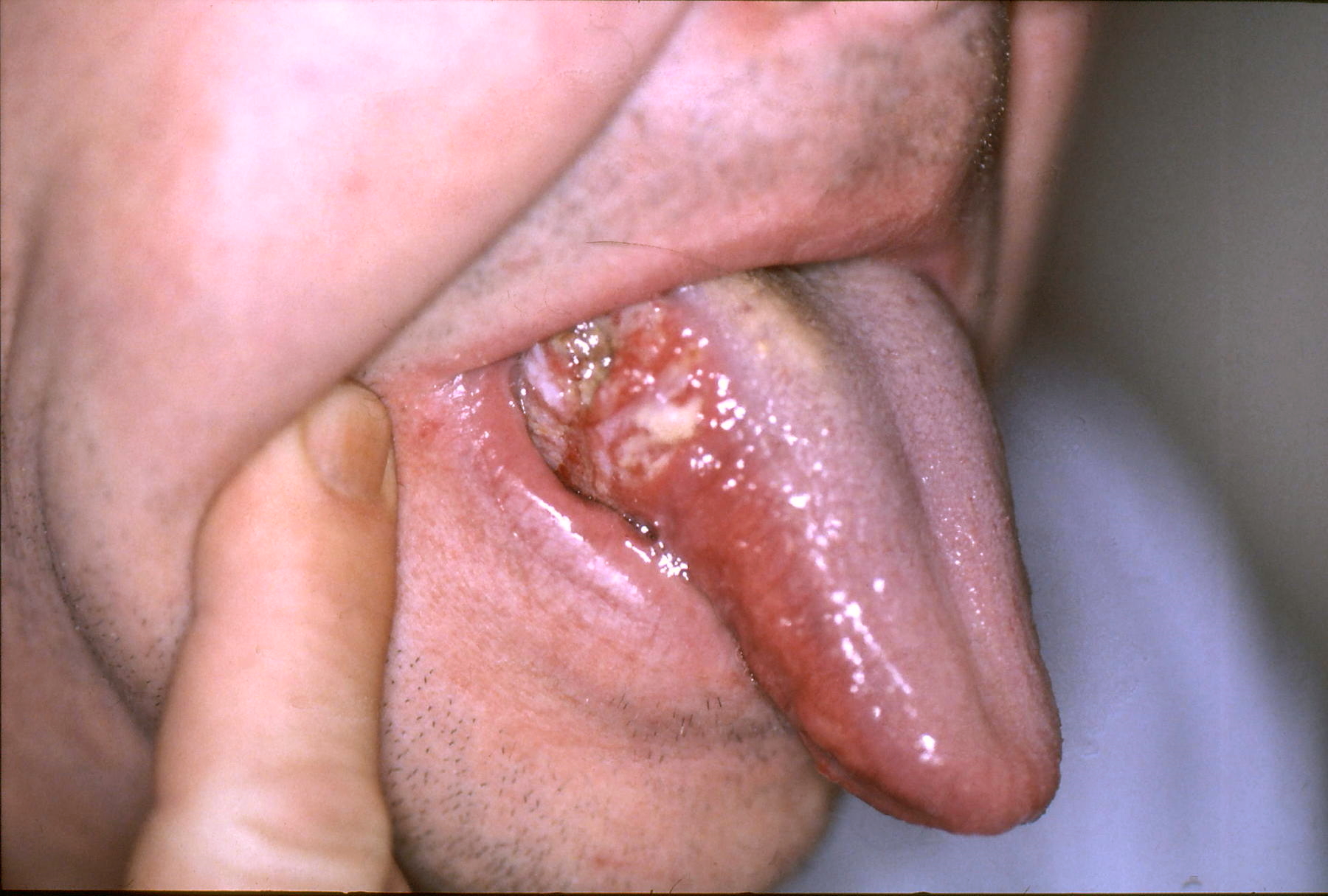
Tongue Cancer
Cancer affecting the tongue, often causing persistent ulcers, pain, difficulty speaking, or swallowing.
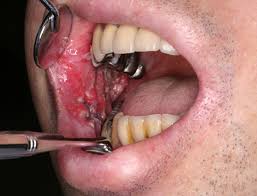
Buccal Mucosa Cancer
Cancer of the inner cheek lining, commonly associated with tobacco chewing and chronic irritation.
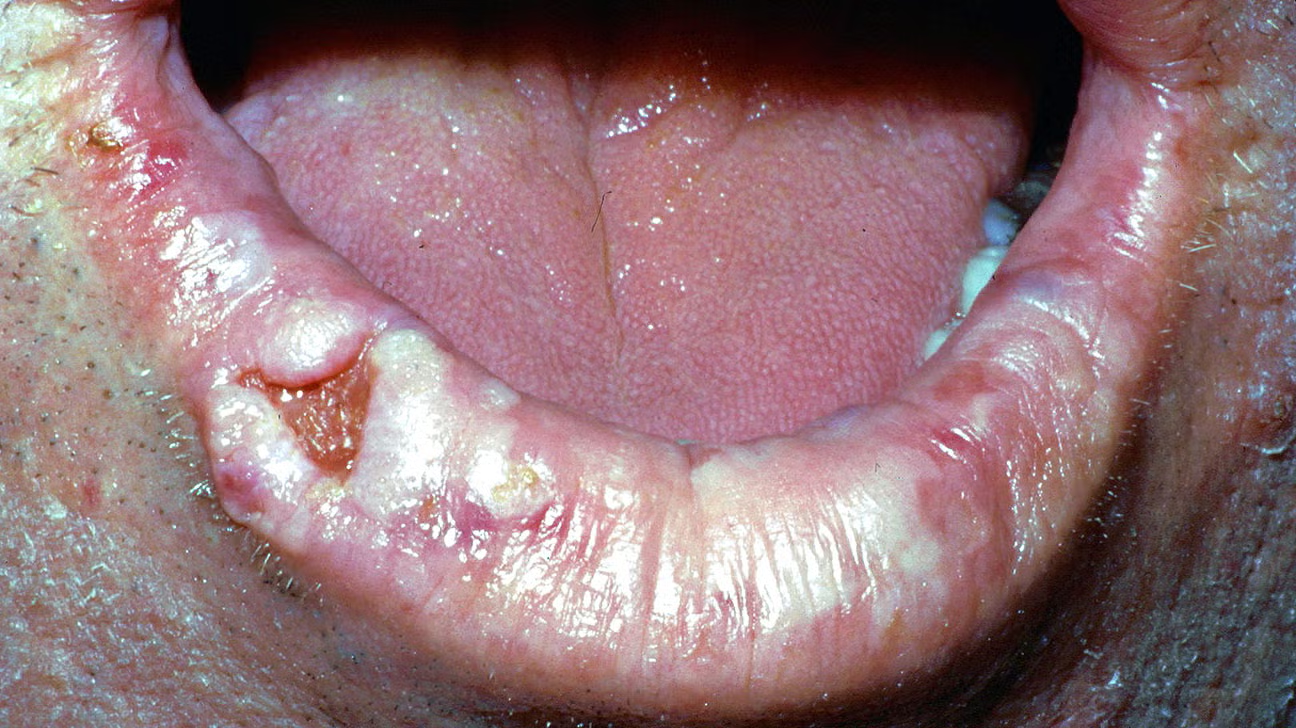
Lip Cancer
Usually develops on the lower lip and may appear as a persistent sore, lump, or ulcer.
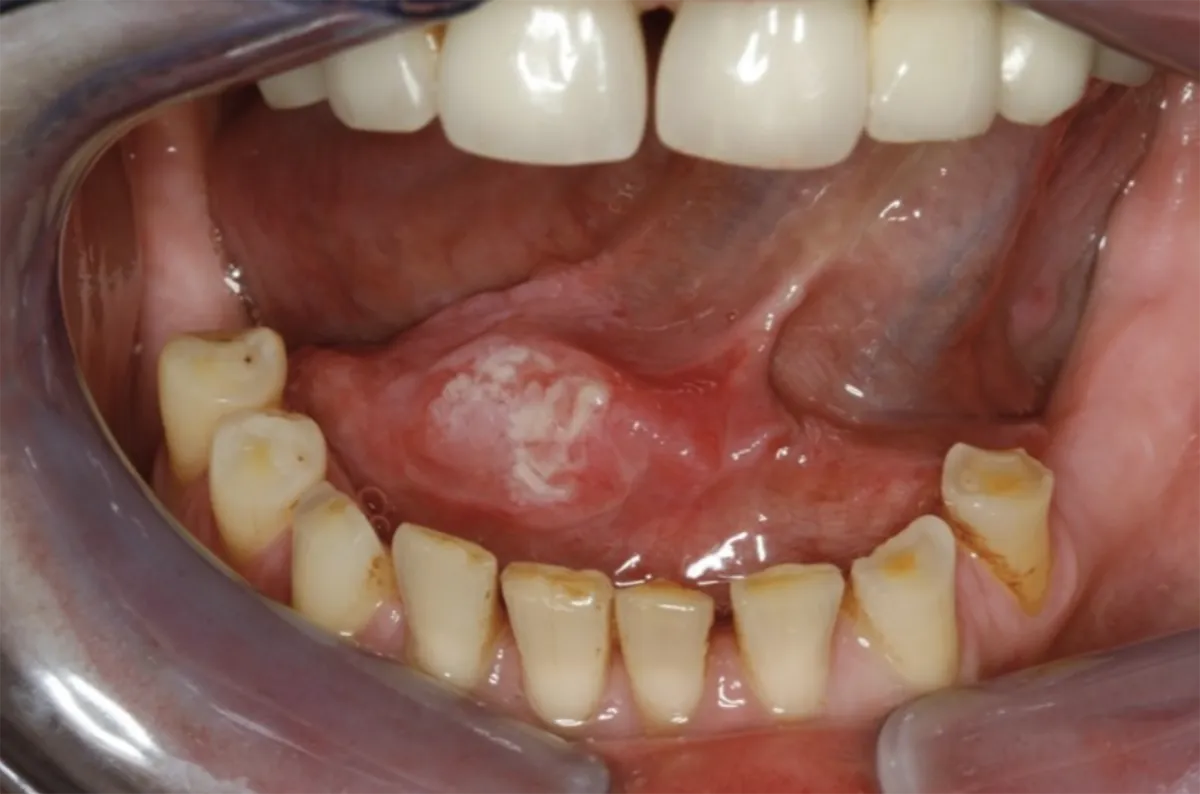
Floor of Mouth Cancer
Develops beneath the tongue and may cause swelling, discomfort, or difficulty moving the tongue.
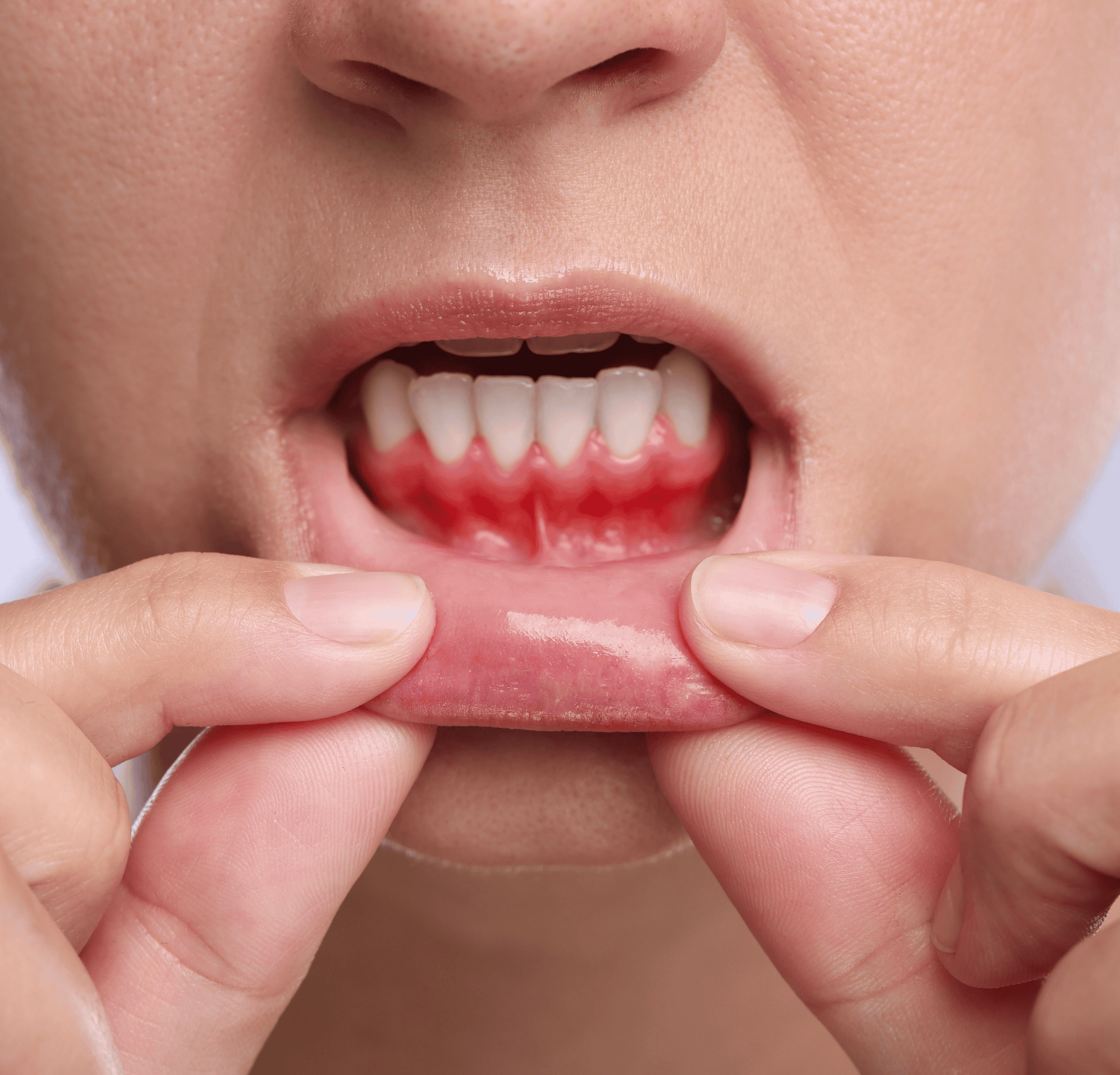
Gum Cancer
Affects the gums and may present with bleeding, swelling, loose teeth, or persistent pain.
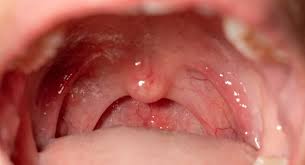
Hard Palate Cancer
Cancer occurring in the roof of the mouth, which may affect speech, chewing, and swallowing.
Major Risk Factors for Oral Cancer
Several lifestyle, environmental, and genetic factors can increase the risk of developing oral cavity cancer. Understanding these risk factors can help with prevention and early detection.
Tobacco Use
Smoking cigarettes, bidis, cigars, and chewing tobacco are the leading causes of oral cancer.
Alcohol Consumption
Heavy alcohol intake significantly increases the risk, especially when combined with tobacco use.
HPV Infection
Certain strains of Human Papillomavirus (HPV) are associated with oral and throat cancers.
Poor Oral Hygiene
Chronic irritation, poor dental care, and untreated oral infections may contribute to cancer development.
Sun Exposure
Excessive exposure to sunlight is a major risk factor for developing lip cancer.
Family History
A family history of head and neck cancers may increase an individual's susceptibility.
Accurate Diagnosis and Evaluation
Accurate diagnosis is critical for successful treatment planning. Dr. Vimmi Gautam performs a comprehensive evaluation to determine the exact location, stage, and extent of oral cavity cancer before recommending treatment.
Comprehensive Oral Examination
Detailed examination of the oral cavity, tongue, gums, cheeks, palate, and surrounding structures.
Flexible Endoscopy
Performed when required to evaluate deeper areas of the throat and upper aerodigestive tract.
Biopsy of Suspicious Lesions
Tissue biopsy confirms the diagnosis and helps identify the cancer type and grade.
CT Scan
Evaluates tumour size, bone involvement, and spread to nearby structures.
MRI Scan
Provides detailed imaging of soft tissues to assess tumour extent and surgical planning.
PET-CT Scan
Detects cancer spread to lymph nodes and distant organs when indicated.
Neck Lymph Node Assessment
Examination and imaging assessment of lymph nodes to identify regional cancer spread.
Histopathology Review
Detailed microscopic review of biopsy samples for accurate diagnosis and staging.
Second Opinion Review
Expert review of existing biopsy and imaging reports to confirm diagnosis and treatment strategy.
Why Choose Dr. Vimmi Gautam for Oral Cancer Surgery?
Combining advanced surgical expertise, evidence-based treatment, and compassionate patient care for comprehensive oral cancer management.
Specialized Training in Head & Neck Oncology
Dedicated expertise in diagnosing and treating complex head and neck cancers.
M.Ch Head & Neck Oncology from AIIMS New Delhi
Advanced super-specialty training from one of India's premier medical institutions.
Expertise in Tongue, Buccal Mucosa & Lip Cancer Surgery
Extensive experience in managing cancers affecting the tongue, inner cheek, and lips.
Advanced Reconstructive Surgery Techniques
Expertise in flap reconstruction and restoration of function after tumour removal.
Function-Preserving Cancer Treatment
Focused on preserving speech, swallowing, appearance, and quality of life whenever possible.
Multidisciplinary Cancer Care at Medanta Hospital
Collaborative treatment planning with surgical, medical, and radiation oncology specialists.
Personalized Treatment Planning
Individualized treatment strategies based on cancer stage, location, and patient needs.
Second Opinions & Complex Cancer Management
Expert review of biopsy reports, imaging, and previously planned treatments.
Recovery After Oral Cancer Surgery
Recovery varies depending on the extent of surgery and reconstruction. Comprehensive postoperative care helps patients regain function, improve nutrition, and achieve the best possible quality of life.
Hospital Stay
Most patients require a hospital stay of 5–10 days depending on the complexity of surgery and recovery progress.
Pain Management Support
Effective pain control with medications and supportive care helps ensure a comfortable recovery process.
Nutritional Rehabilitation
Personalized dietary guidance supports healing, maintains strength, and improves recovery outcomes.
Speech Therapy
Specialized therapy may help improve speech clarity and communication after tongue or oral cavity surgery.
Swallowing Rehabilitation
Rehabilitation programs help patients regain safe and effective swallowing function after treatment.
Regular Follow-Up Visits
Ongoing follow-up appointments monitor healing, detect recurrence early, and support long-term recovery.
Frequently Asked Questions
Can speech and swallowing be preserved after oral cancer surgery?
Yes. Modern surgical and reconstructive techniques help preserve and restore speech and swallowing function in most patients.
Is tongue cancer curable?
When diagnosed early and treated appropriately, tongue cancer has excellent treatment outcomes and cure rates.
How long does recovery take?
Initial healing usually takes 2–4 weeks, while complete functional recovery may require several months depending on the extent of treatment.
Will reconstruction be required after surgery?
Many patients benefit from immediate reconstruction to improve appearance, speech, and swallowing after tumour removal.
Can oral cancer come back after treatment?
Yes. Regular follow-up is essential because recurrence can occur. Early detection of recurrence improves treatment success and outcomes.

Expert Oral Cavity Cancer Evaluation & Treatment
If you have been diagnosed with tongue cancer, buccal mucosa cancer, lip cancer, or any form of oral cavity cancer, expert treatment can make a significant difference in outcomes and quality of life.
Schedule a consultation with Dr. Vimmi Gautam for comprehensive evaluation, surgical treatment, advanced reconstruction, second opinions, and long-term cancer care tailored to your individual needs.